Dry Powder vs Foam vs CO2 Fire Extinguishers: Which Type Should You Import?
Choosing the wrong mix of agents is the most common and most expensive mistake new fire-equipment importers make. Stock too much CO2 and your capital sits in the warehouse; stock only dry powder and you lose tender business that specifies foam. This guide breaks down what each type actually does, what it costs, and what sells in the GCC.
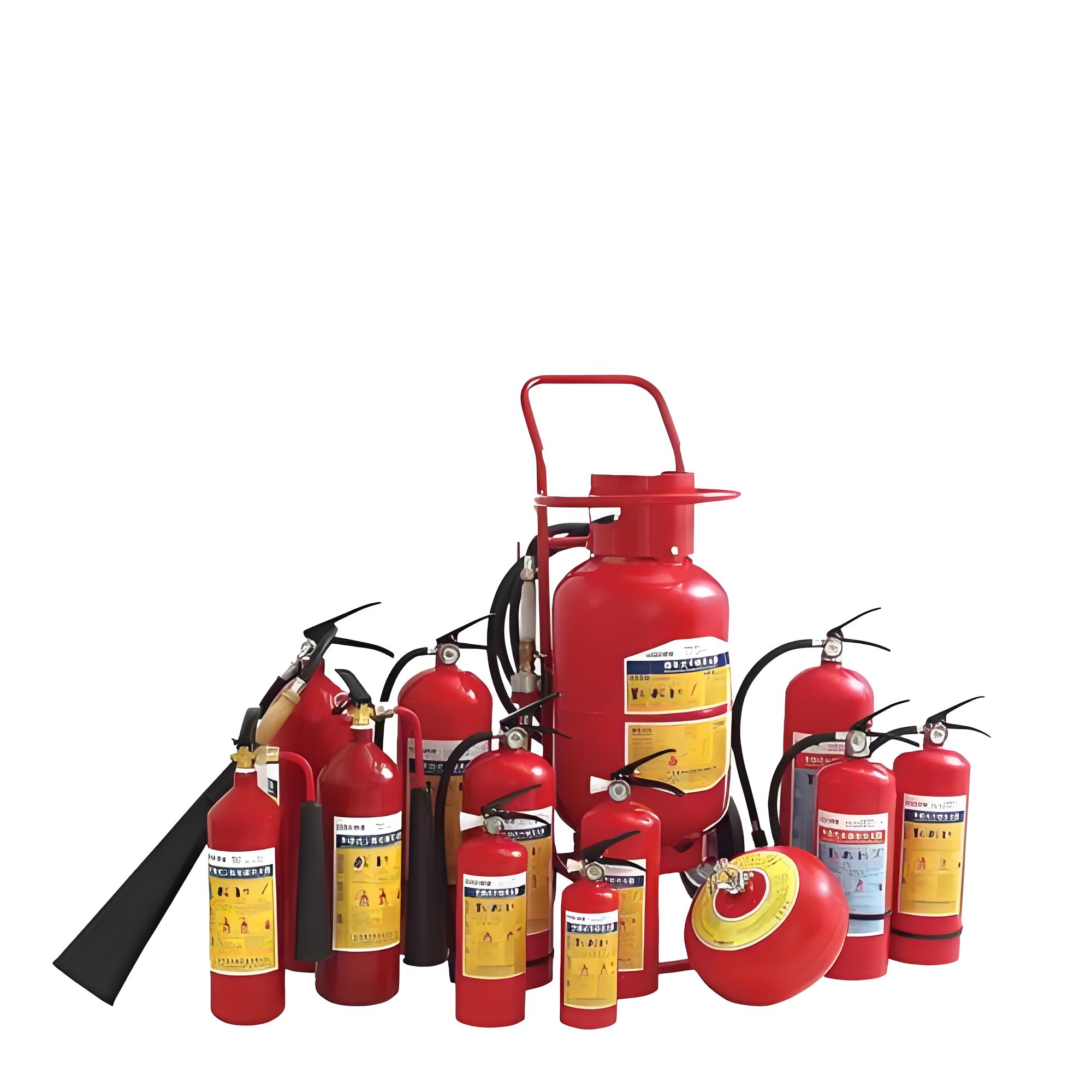
The Five Agents You Will Actually Be Asked For
Fire extinguishers are classified by the agent inside them, and the agent determines which classes of fire the unit can fight. Every buyer conversation starts here.
| Agent | Fire classes | Typical sizes | Best for |
|---|---|---|---|
| ABC dry powder | A, B, C | 1–12 kg, 25–50 kg wheeled | General purpose, most volume |
| Foam (AFFF / F3) | A, B | 2–9 L, 20–50 L wheeled | Flammable liquid storage |
| CO₂ | B, C (electrical) | 2–5 kg | Electrical rooms, IT, labs |
| Water | A only | 6–9 L | Offices, warehouses (paper/textiles) |
| Wet chemical | F (cooking oil) | 2–6 L | Commercial kitchens |
Fire class reminder: A = ordinary combustibles (wood, paper, fabric). B = flammable liquids. C = energized electrical equipment. F = cooking oils and fats.
Dry Powder: The Volume Seller
ABC dry powder — monoammonium phosphate — is the workhorse of the entire Middle East market. It covers three fire classes in one cylinder, has the lowest unit cost of any agent, and is accepted or mandated by most civil defence inspections across the GCC.
Why it dominates
- Cheapest per unit — often 30–50% below an equivalent-rated CO₂ unit, which matters enormously when a project specifies hundreds of units.
- Multi-class coverage — one SKU covers A, B and C, simplifying inventory for distributors.
- Stable shelf life — powder does not evaporate or leak the way pressurized gas can, and units tolerate high ambient temperatures well.
- Wide size range — from 1 kg vehicle units to 50 kg wheeled trolley units for industrial yards.
The trade-offs you should tell your customers about
- Residue damage — powder is corrosive to electronics and hard to clean after discharge. It should not be the primary choice for server rooms.
- Reduced visibility — discharge creates a dense cloud in enclosed spaces.
- Powder compaction — units need periodic shaking and servicing to keep the powder free-flowing, a point worth raising for high-temperature warehouse storage.
Foam: Higher Margin, and a Regulation Change You Cannot Ignore
Foam extinguishers are specified for flammable liquid risks — fuel depots, paint stores, chemical warehouses, aircraft hangars, and fuel-loading areas. Standard foam carries the same fire rating structure as water for Class A but adds Class B coverage, which is why oil and gas clients insist on it.
The PFAS problem
Traditional AFFF (aqueous film-forming foam) contains PFAS — per- and polyfluoroalkyl substances — which are persistent in the environment and increasingly restricted. The EU is advancing a broad PFAS restriction, and multiple US states have banned PFAS-containing firefighting foam. The replacement is fluorine-free foam (F3), sometimes marketed as PFAS-free or eco-foam.
💡 Pro tip: If you are ordering foam for a European or multinational client, specify fluorine-free concentrate from the start. Re-ordering AFFF after a client's compliance team flags it wastes an entire production cycle.
Foam buying checklist
- Confirm the concentrate type: AFFF, AR-AFFF, or fluorine-free.
- Check the concentrate shelf life in writing — typically 3 to 5 years.
- Verify the expansion ratio, since it affects the fire rating achieved.
- Ask whether the concentrate is pre-mixed or requires on-site charging.
CO₂: Small Volume, High Value, Specific Applications
CO₂ is a clean agent — it leaves no residue, which makes it the default choice for electrical risks, data centres, control rooms, laboratories, and anywhere a discharge would destroy expensive equipment.
| Attribute | CO₂ | Dry powder |
|---|---|---|
| Residue after use | None | Heavy, corrosive |
| Electrical safety | Excellent | Acceptable (non-conductive, but residue) |
| Unit cost | Higher | Lower |
| Refill economics | Requires weighing and hydro test | Simple recharge |
| Typical GCC demand | Steady, niche | Very high volume |
Note that CO₂ cylinders are pressure vessels. This affects shipping declarations and, in some destinations, requires specific documentation. Confirm requirements with your forwarder before loading mixed containers — more on packing below.
Sizes That Actually Sell in the GCC
After years of shipping to the region, this is the mix that moves fastest:
- 4 kg and 6 kg ABC dry powder — the backbone of any order. These two sizes alone often represent over half of container volume.
- 2 kg ABC dry powder — vehicle and small-office units, sold in high quantities to fleet and rental clients.
- 9 kg and 12 kg dry powder — industrial floors and construction sites.
- 25 kg / 50 kg wheeled dry powder — yards, refineries, loading bays. Low unit count, high ticket value.
- 2 kg and 5 kg CO₂ — electrical and IT applications.
- 6 L and 9 L foam — fuel storage and paint shops.
- 6 L wet chemical — hotel and restaurant kitchen fit-outs.
📦 Planning tip: A 20 ft container typically holds 1,500–3,000 dry powder units depending on size mix, but CO₂ and wheeled units drastically reduce that count because of volume and cage requirements.
Mixing Agents in One Container
Mixed loads are normal and cost-efficient, but a few rules prevent problems:
- Declare everything on the packing list with agent type and weight per unit. Customs officers assess based on declared contents.
- Secure cylinders upright. CO₂ and pressurized units must not lie loose or they become projectiles in transit.
- Separate foam concentrate from the extinguisher bodies if shipping concentrate drums — different handling and often different HS classification.
- Photograph the loading. Loading photos are your evidence for insurance claims and for confirming correct stowage with the buyer.
A Simple Stocking Rule
If you are opening a new distribution line, start with this split and adjust based on your actual order book:
- 65–75% ABC dry powder across 2 kg, 4 kg, 6 kg, 9 kg
- 10–15% CO₂ in 2 kg and 5 kg
- 10% foam in 6 L and 9 L (fluorine-free if any EU or multinational client)
- 5% wheeled units, water, and wet chemical as tender fillers
Frequently Asked Questions
Which fire extinguisher type sells best in the Middle East?
ABC dry powder dominates GCC volume, typically 70–80% of units sold. It covers Class A, B and C fires, is the cheapest per unit, and is required or accepted by most civil defence inspections. CO₂ units follow for electrical and server-room applications, and foam is a smaller but higher-margin segment.
Is AFFF foam being banned?
Yes, in several markets. AFFF contains PFAS, which the EU is moving to restrict across all uses, and several US states have already banned PFAS-containing firefighting foam. Fluorine-free foam (F3) concentrates are the replacement. Importers should confirm with local authorities whether AFFF is still permitted for their specific application before placing orders.
What is the difference between a 2 kg and a 6 kg dry powder extinguisher?
The main difference is fire rating and discharge time, not just weight. A 2 kg ABC dry powder unit typically carries a rating around 8A 34B, while a 6 kg unit reaches roughly 21A 113B or higher. Larger ratings let one unit satisfy a bigger floor area under local fire codes, so buyers stock a mix rather than a single size.
How often do fire extinguishers need to be refilled?
Dry powder units should be visually inspected monthly and serviced annually, with a full internal inspection and powder recharge commonly required every 5 years. CO₂ cylinders need periodic weighing and hydrostatic testing, typically every 5 to 10 years depending on local rules. Foam concentrates have a shelf life that usually requires replacement every 3 to 5 years.
Can I mix different extinguisher types in one container?
Yes, cylinders of different agents can be shipped in the same container, but they must be declared and packed correctly. CO₂ units are pressure vessels and require proper securing and, for some destinations, specific documentation. Always confirm packing requirements with your freight forwarder before loading.
Need Help Deciding Your First Order Mix?
FireGuard Trading supplies ABC dry powder, foam, CO₂, water and wet chemical extinguishers from China to importers and distributors across the UAE, Saudi Arabia, Qatar, Oman, Bahrain and Kuwait. Our workshop handles hydrostatic testing, valve replacement, agent refilling and re-stamping in-house, and we can quote both new and refurbished units on the same order.
Tell us your market, your typical buyer profile, and your target price point — we will suggest a container mix with FOB or CIF pricing and the certification path for your destination country.